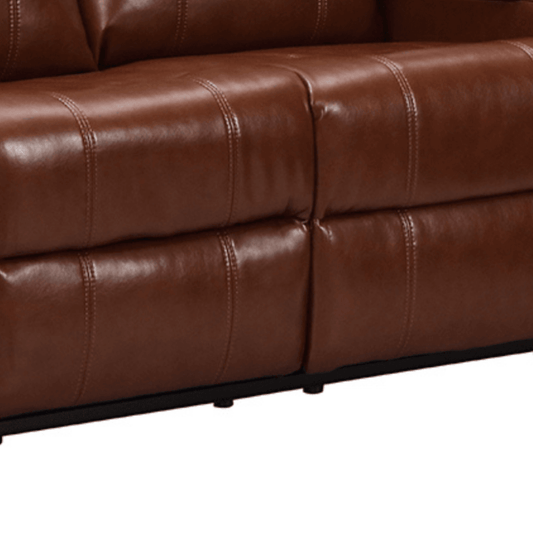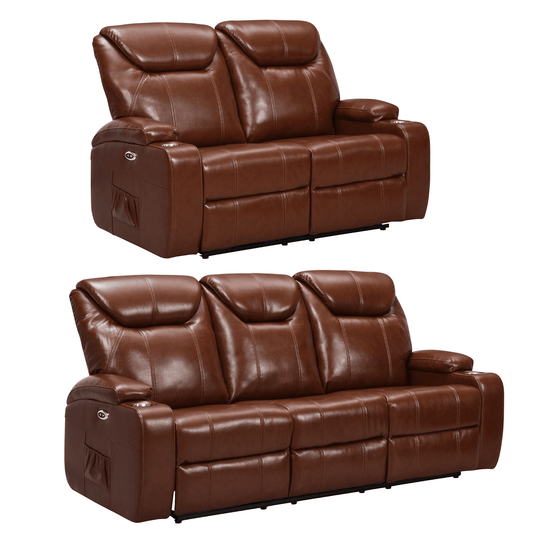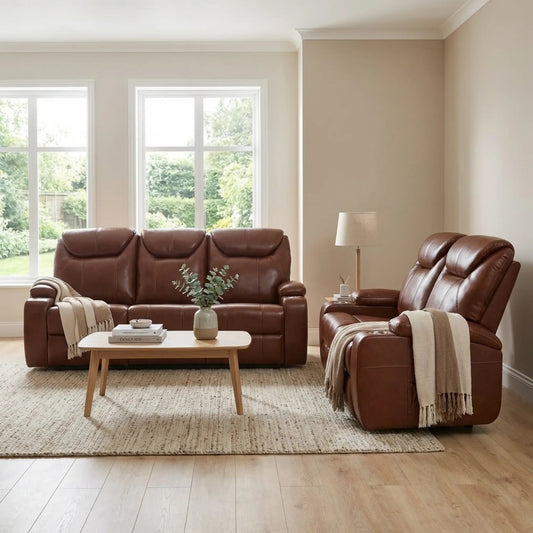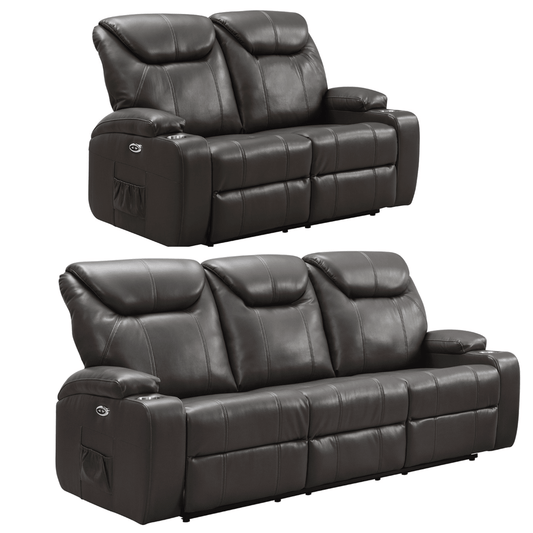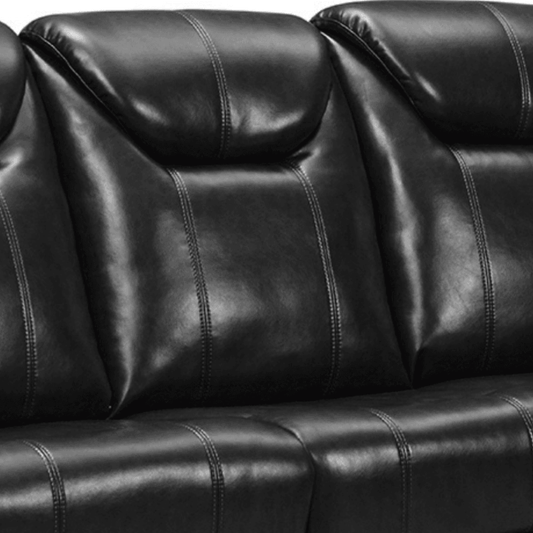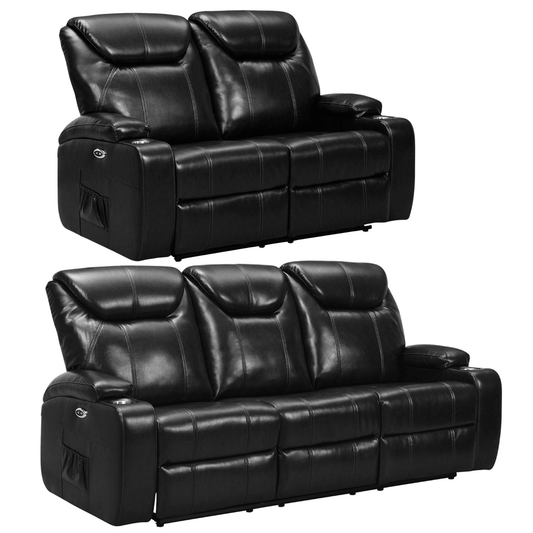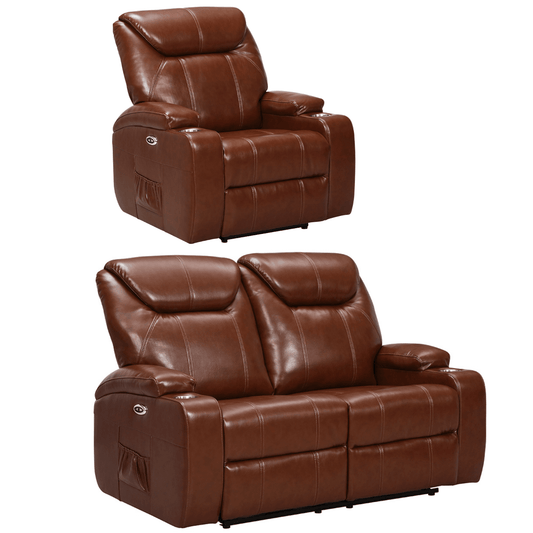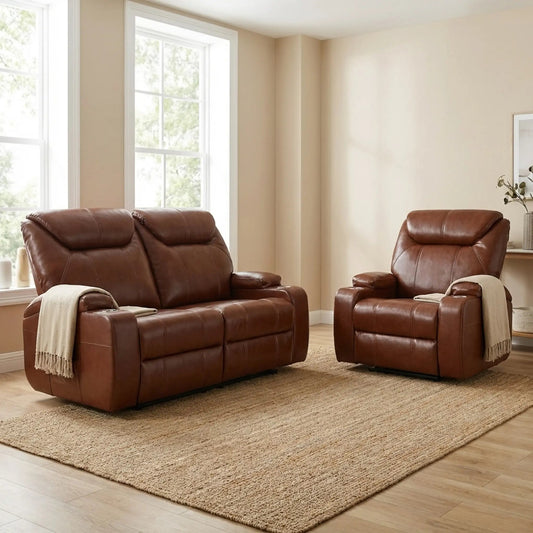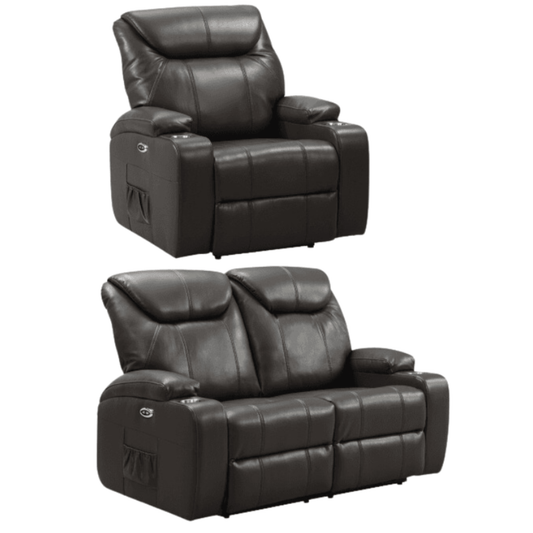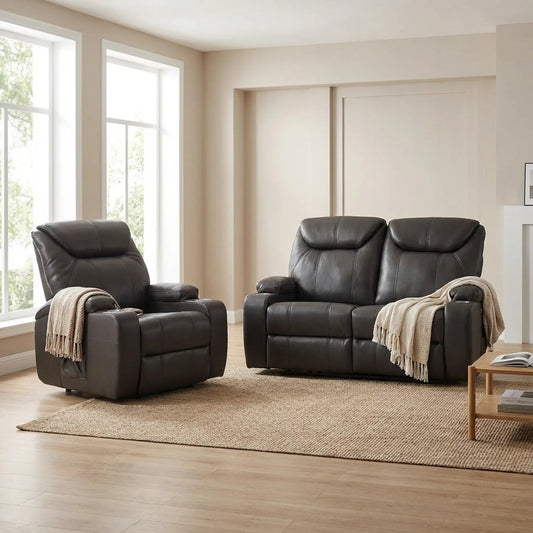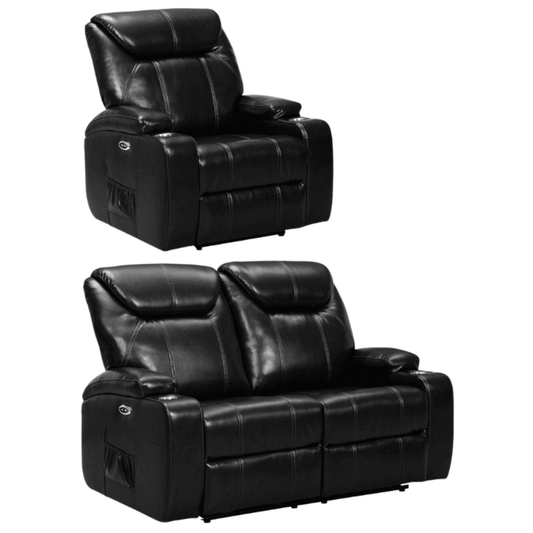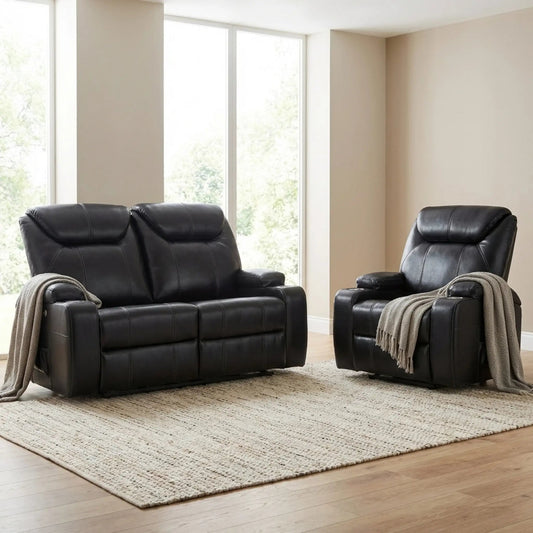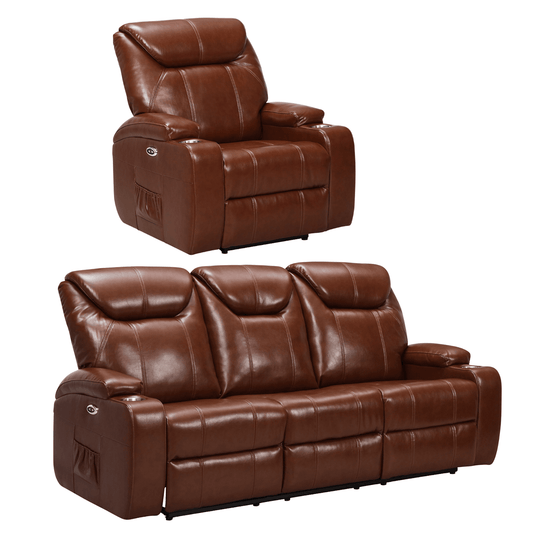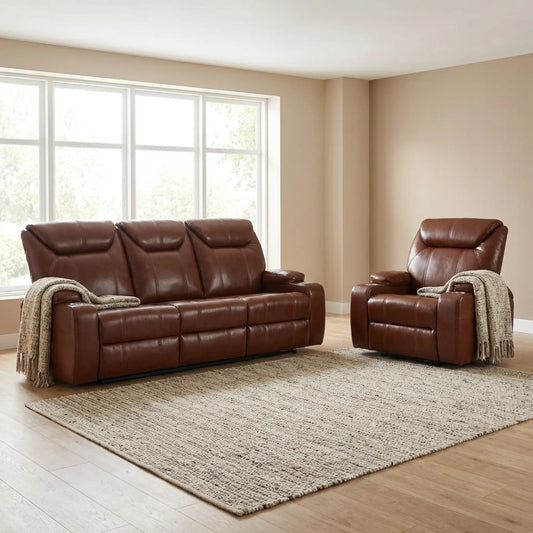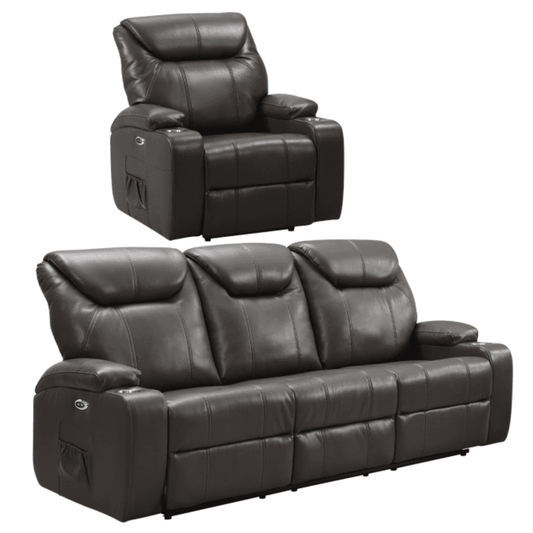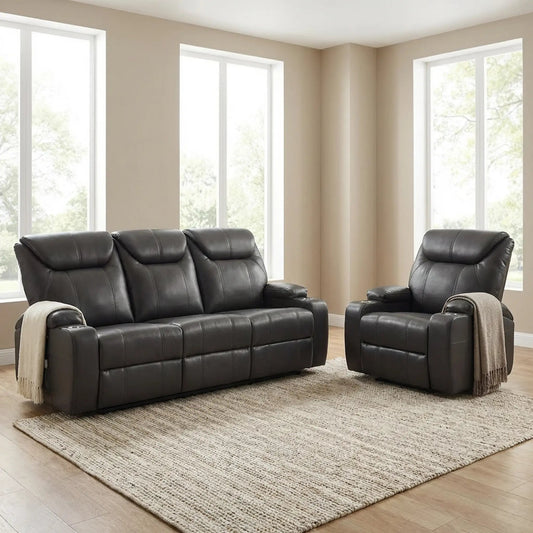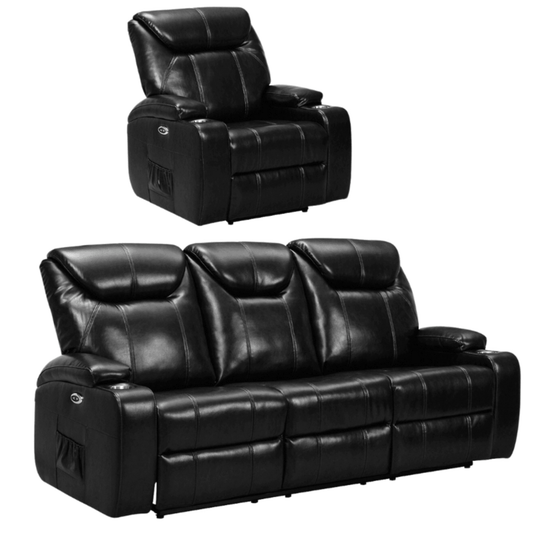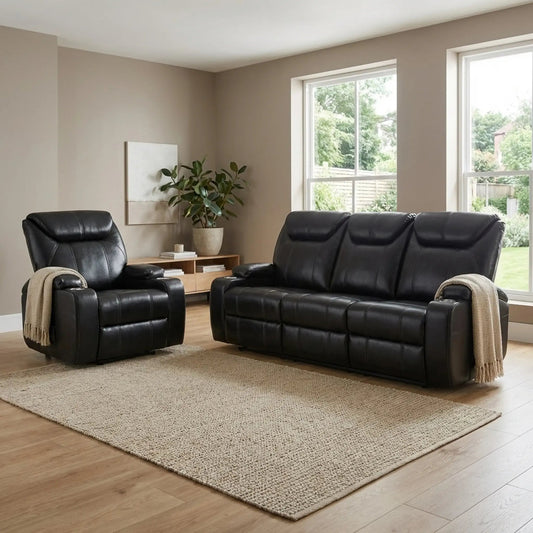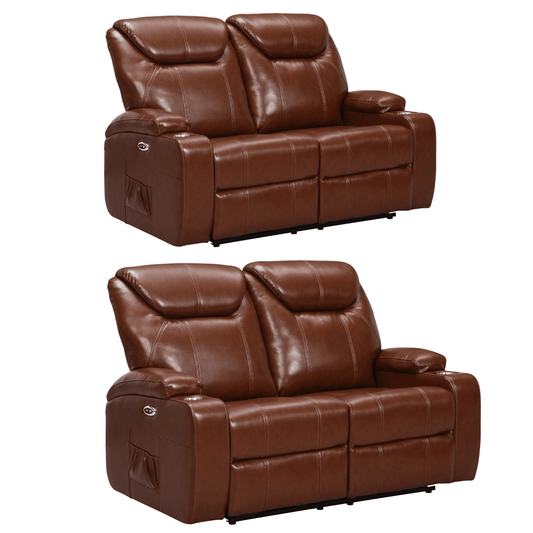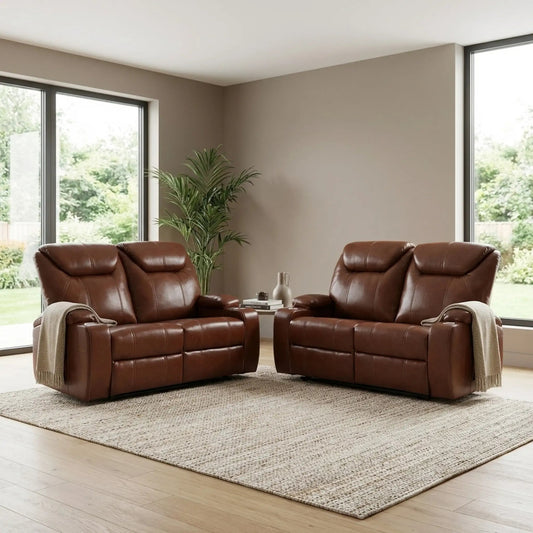

A cinema sofa is a sofa designed specifically for screen-watching environments — home cinema rooms, media rooms, gaming rooms and dedicated TV spaces. It differs from a standard recliner sofa in several specific ways, each of which makes a measurable difference to the watching experience:
Not every cinema sofa has all of these features — check individual product listings carefully. The most important feature is individual reclining. Cup holders are a significant convenience. USB charging is useful for long viewing sessions. LED lighting is atmospheric but optional. Prioritise in that order when choosing between designs.
Cinema sofas are marketed with a range of features, not all of which make an equal difference to the actual experience. Here is an honest assessment of each feature so you can prioritise what matters for your specific room and household.
This is the feature that most fundamentally separates a cinema sofa from a standard sofa. On a cinema sofa with individual seat reclining, every person on the sofa can set their own preferred position — one person fully reclined, another upright, a third at a mid-position — without the sofa moving as a whole or anyone else's position being affected. On a standard sofa or a sofa with a single reclining mechanism, one person's reclining decision affects the whole sofa or requires coordination between occupants.
Individual reclining is available in electric versions (button-operated, smooth and effortless, requires a power socket) and manual versions (lever-operated, no power required, slightly more effort to operate but complete placement flexibility). For a cinema room used by multiple people of different ages and comfort preferences, electric individual reclining is the most convenient and most frequently used feature. For a room without a nearby power socket in the ideal position, manual individual reclining is the practical solution.
Cup holders built into the centre armrests of a cinema sofa are genuinely useful rather than a marketing feature. During a two-hour film, a side table requires you to reach across or turn sideways to access a drink — in the dark, in a fully reclined position, this is less trivial than it sounds. An armrest cup holder keeps drinks at hand level without any repositioning. The difference is small but real, and it compounds across every film-watching session over years of use.
Check the cup holder design in the specific product listing — the best designs have slightly inset holders that grip a standard-sized drink glass or can without requiring perfect placement, and have a small storage area alongside for remotes and phones. Shallow decorative cup holder indentations that do not grip are less useful.
USB charging ports integrated into the armrests or base of cinema sofas allow phones and tablets to charge during viewing without requiring a cable stretched to a wall socket. For households where phones are used as second screens during viewing, or where family members watch on tablets, this is a meaningful convenience. For households where devices are charged elsewhere and the cinema room is phone-free during viewing, it is a secondary consideration.
LED lighting strips along the base of some cinema sofa designs create a soft ambient glow in the room without producing enough light to interfere with screen viewing. This is an atmospheric feature — it creates a more immersive cinema-like environment and is visually striking — but it does not improve the watching experience in a functional sense. Useful for households that want the full cinema aesthetic. Not a meaningful functional consideration if the room already has dimmable lighting.
| Feature | Functional impact | Power required | Priority |
|---|---|---|---|
| Individual reclining seats | High — transforms the watching experience | Yes (electric) or No (manual) | Essential — prioritise this first |
| Integrated cup holders | Medium — genuine daily convenience | No | High — strongly recommended |
| USB charging ports | Medium — useful for multi-device households | Yes | Medium — consider your household usage |
| LED base lighting | Low — atmospheric, not functional | Yes | Optional — nice to have |
Setting up a home cinema room correctly requires planning before you order the sofa. The relationship between screen size, screen height, viewing distance and seating height all affect how comfortable and immersive the viewing experience is. Here is the complete planning guide.
Measure the full length and width of the room. The screen will go on the shortest wall in most setups — the longer the room, the greater the viewing distance, which suits larger screens. For a typical UK spare bedroom or second reception room converted to a media room, the layout works best when the screen is at one end and the seating is positioned at the opposite end with adequate clearance behind for the sofa to recline.
The optimal viewing distance depends on the screen size. These figures are based on standard 4K screen resolution, which produces a sharp image across a wider range of viewing distances than older HD standards:
| Screen size | Minimum comfortable distance | Optimal distance (4K) | Maximum comfortable distance |
|---|---|---|---|
| 55 inch | 1.4m | 1.4–2.3m | 3m |
| 65 inch | 1.6m | 1.6–2.7m | 3.5m |
| 75 inch | 1.9m | 1.9–3.1m | 4m |
| 85 inch | 2.1m | 2.1–3.5m | 4.5m |
| Projector screen 100–120 inch | 2.5m | 2.5–4m | 5m+ |
In a fully reclined cinema sofa position, the eye level is typically 90–105cm from the floor — lower than a standard seated position (which is approximately 115–125cm). Position the centre of the screen at a height that aligns with the reclined eye level — approximately 90–110cm from the floor for the screen centre. For a wall-mounted television, this may be lower than standard wall mounting height. For a projector setup, the screen drop height should be calculated against the reclined rather than the seated eye level.
Cinema sofas extend significantly further when fully reclined than when seated. The standard reclined depth is 150–175cm for most cinema sofa designs — versus a seated depth of 90–110cm. Allow at least 20cm of clear space between the fully reclined sofa back and the rear wall — some designs require this clearance to recline fully, and all designs benefit from it to avoid the reclined occupant's head touching the wall. Calculate the minimum room length required: screen to sofa front + sofa reclined depth + rear wall clearance. For a typical 65-inch setup at 2.5m viewing distance, a minimum room depth of approximately 2.5m (viewing) + 1.6m (sofa reclined) + 0.2m (clearance) = 4.3m is required.
Electric cinema sofas need power for the reclining mechanism, USB charging ports and LED lighting. Plan the socket position before placing the sofa — the power cable typically runs 1.5–2m from the sofa to the wall socket. In a cinema room where the sofa sits away from walls, a floor socket or a cable management channel to the nearest wall socket may be required. Plan this before ordering to avoid cable management problems on delivery day.
Call before ordering for complex setups: If you are converting a room to a dedicated cinema space or planning multiple rows of seating, call us on 02476 705 600 before ordering. We can help you check whether specific designs will work in your room dimensions, confirm the reclined depth and socket requirements for specific models, and advise on layout options for rooms with unusual proportions.
Both electric and manual reclining mechanisms are available across our cinema sofa range. The choice affects how the sofa is operated, where it can be placed and what it costs.
Press a button on the armrest and the seat reclines smoothly to the fully reclined position. Press again to return upright. Completely effortless — the ideal mechanism for a cinema room where the sofa will be reclined for hours at a time and where entering and leaving the reclined position happens frequently throughout a viewing session. Also better suited to households with older users or anyone who finds lever operation physically tiring.
Power requirement: a socket within 1.5–2m of the sofa position is essential. Plan socket position before ordering. Browse electric recliner sofas →
A side lever releases the reclining mechanism and the seat reclines with gentle backward pressure. Return to upright by pulling the lever again. No power required — the sofa can be positioned anywhere in the room without a power consideration. Slightly more physical effort than electric, but entirely practical for fit users who will operate the mechanism daily.
The primary advantage for a cinema room: complete placement flexibility. If the ideal viewing position is away from wall sockets, a manual design removes the need for cable management. Browse manual recliner sofas →
A cinema sofa is used intensively — long viewing sessions, food and drinks nearby, and the reclining mechanism operated repeatedly. The material choice matters more on a cinema sofa than on a standard sofa for all these reasons.
Black or dark Leather Aire is the most recommended material for a cinema sofa for several specific reasons. Spills — drinks, food — wipe off immediately with a damp cloth. No staining on a leather surface. The surface does not absorb heat during long viewing sessions the way fabric can, preventing the discomfort of a fabric sofa in a warm room during a three-hour film. Pet hair brushes off cleanly. The dark colour conceals any marks or wear at the cup holder areas and armrests where the most handling occurs. The reclining mechanism's hinge and crease points hold up better on leather than on fabric over years of repeated operation.
Genuine leather delivers all the practical advantages of Leather Aire with the additional quality of patina development over time. For a cinema sofa used daily for years, genuine leather is the most durable long-term choice. The higher upfront cost is the only trade-off.
Dark fabric in chenille or weave is warmer and softer to sit on than leather — a meaningful comfort difference during long viewing sessions in cooler rooms. Dark colours — charcoal, navy, dark grey — hide marks and everyday wear well. The trade-off: spills on fabric require prompt attention rather than a simple wipe. Fabric at the hinge and crease points of the reclining mechanism shows wear more quickly than leather over years of repeated operation. For a household where warmth and softness matter more than wipe-clean practicality, dark fabric is a comfortable choice.
Light colours in any material — cream, light grey, beige — on a sofa used for eating and drinking in the dark are not practical. Velvet in a cinema room — velvet shows sitting marks, indentations and pet hair readily and requires care that is difficult to maintain in a room used heavily every day. These materials suit lower-traffic rooms, not cinema environments where the sofa is in daily intensive use.
The seating is the most important element of a home cinema room, but the surrounding setup determines how immersive and effective the space actually feels. Here is what makes the biggest difference beyond the sofa itself.
The single most impactful improvement to any home cinema room is effective light control. Blackout blinds or blackout curtains on every window — including velux or roof windows — prevent ambient light from washing out a projected or TV image. Dimmable overhead lighting on a separate circuit from any task lighting allows the room to be set to exactly the right ambient level for viewing. If budget allows, smart bulbs that can be controlled without leaving a reclined position are a meaningful convenience in a cinema room.
Hard surfaces — plaster walls, wooden floors, bare ceilings — reflect sound and create echo that degrades audio quality during film watching. Soft furnishings — heavy curtains, carpet or thick rugs, upholstered furniture and acoustic panels — absorb reflections and improve the clarity and immersion of the sound. A cinema sofa itself contributes to acoustic absorption in the room. Adding a thick rug in front of the sofa, heavy curtains on the walls and an upholstered panel on the ceiling above the seating position makes a measurable difference to audio quality without requiring a dedicated acoustic installation.
LED strip lighting along the base of a cinema sofa, or behind the screen on the wall (bias lighting), creates an ambient glow that reduces eye fatigue during long viewing sessions without interfering with the image quality. Warm white or colour-changeable LED strips are the most versatile option. Avoid bright point lighting directly in the line of sight to the screen — it creates contrast fatigue that makes the image appear dimmer and less detailed than it actually is.
In a fully reclined cinema sofa position, the screen should be positioned so that the viewer does not need to look upward or downward significantly from their reclined eye level. A screen that requires looking upward causes neck fatigue during long viewing sessions. In most home cinema setups, the screen should be mounted lower than the standard TV wall-mount height — aim for the screen centre at approximately 90–110cm from the floor when the sofa is in its fully reclined position.
Delivery to England and Wales is free on all in-stock cinema sofas and recliners, typically within 7 working days. You receive a confirmed delivery date once your order is placed. The day before delivery, we call to confirm your 2-hour arrival slot.
Our own two-person employed team — not a courier — delivers your sofa, positions it in your chosen room and removes all packaging. For electric cinema sofas, the delivery team will confirm the reclining mechanism and any power features are working before they leave. Cinema sofas are delivered as a single piece — measure your front door, hallway and any internal doorways before ordering. Cinema sofas are typically deeper than standard sofas and need to be manoeuvred carefully through access points.
Access and room setup check: If your cinema room is upstairs, has a narrow doorway or restricted access, or if you are planning a multi-sofa cinema room arrangement, call us on 02476 705 600 before ordering. We can confirm the specific dimensions of a design, advise on access requirements and help plan the room layout before delivery day.
We've been supplying quality sofas and seating to homes across the UK for over 20 years. Here is what every order includes.
⭐⭐⭐⭐⭐ Rated Excellent on Trustpilot · 4.8 / 5 from 2,000+ verified reviews · Read all reviews →
A cinema sofa typically features individual reclining seats (each person controls their own independently), integrated cup holders built into the centre armrests, a deeper and lower seating position optimised for screen watching, and often USB charging ports and LED base lighting. The most important feature is individual reclining — this is what most meaningfully separates a cinema sofa from a standard recliner sofa.
It depends on your screen size and the specific sofa's reclined depth. As a general guide: viewing distance for a 65-inch screen is 1.6–2.7m; cinema sofas recline to 150–175cm deep; allow 20cm of clearance behind the reclined sofa. For a 65-inch screen setup, a minimum room depth of approximately 4.3m is typically needed to accommodate the screen, optimal viewing distance, reclined sofa and rear wall clearance comfortably. Call us on 02476 705 600 with your room dimensions and screen size and we will advise on specific designs.
Electric cinema sofas and those with USB charging or LED lighting need a power socket within 1.5–2m of the sofa position. Manual reclining cinema sofas need no power supply and can be positioned anywhere in the room. If the ideal viewing position is not near a wall socket, a manual reclining design or a floor socket installation gives the most placement flexibility.
A standard recliner sofa typically has one or two reclining seats and a standard seated depth. A cinema sofa has individual reclining on every seat (so every person on the sofa reclines independently), integrated cup holders, a deeper lower seating position optimised for screen watching, and often USB charging and LED features. The combination of individual reclining and cup holders in particular creates a meaningfully different watching experience.
Black or dark Leather Aire is the most recommended material for a cinema sofa used daily for food and drink viewing sessions. Spills wipe off immediately, the dark colour hides marks and wear at the cup holder and armrest areas, and the leather surface holds up to repeated reclining at the hinge points better than fabric over years of use. Dark fabric in chenille or weave is a warmer, softer alternative if comfort during long sessions in a cool room is the priority. Avoid light colours and velvet in a cinema room used intensively every day.
Optimal viewing distance depends on screen size. For a 55-inch screen: 1.4–2.3m. For a 65-inch: 1.6–2.7m. For a 75-inch: 1.9–3.1m. For an 85-inch: 2.1–3.5m. These figures apply to 4K screens, which produce a sharp image across a wider range of distances than older HD screens. Measure from the screen surface to the estimated eye position in the fully reclined sofa position — not to the sofa's front edge.
In a fully reclined position on a cinema sofa, eye level is approximately 90–105cm from the floor — lower than a standard seated position. Mount the screen so the centre sits at approximately 90–110cm from the floor for comfortable reclined viewing. This is typically lower than standard TV wall-mounting height, which is designed for standard seated viewing. Check the specific reclined seat height of the sofa design you choose before mounting the screen.
Yes, but second-row seating needs to be elevated — on a raised platform — so occupants in the back row have an unobstructed sightline over the fully reclined front-row seats. A typical front-row cinema sofa seat rises to approximately 70–80cm when fully reclined. The second row platform needs to elevate the seated eye level by approximately 30–40cm above that to clear the front-row headrests. Call us on 02476 705 600 before planning a multi-row setup and we will advise on specific dimensions for the designs you are considering.
Yes. 0% interest-free finance is available from £499 across 12, 24 or 36 month terms. Apply at checkout in minutes. Subject to credit check and approval.
Most in-stock cinema sofas are delivered within 7 working days to England and Wales. Delivery is free. You receive a confirmed delivery date at checkout and a 2-hour arrival window confirmation the day before. Electric mechanisms are confirmed working before the delivery team leaves.
We offer 14-day returns on all sofas. If the sofa isn't right for any reason, call us within 14 days of delivery on 02476 705 600. We arrange collection and process a full refund. The sofa must be in its original condition.
Every sofa at Furniture Instore comes with a manufacturer's frame warranty covering structural defects, including the reclining mechanism frame. Full details on each product page. Warranty queries handled directly by our team on 02476 705 600.
Furniture Instore · Coventry | Free delivery England & Wales — 7 working days | 0% finance from £499 | 14-day returns | 02476 705 600 · Mon–Sat 9am–5pm